Robots, Regrets, and the Return of Darth Vader
Star Wars
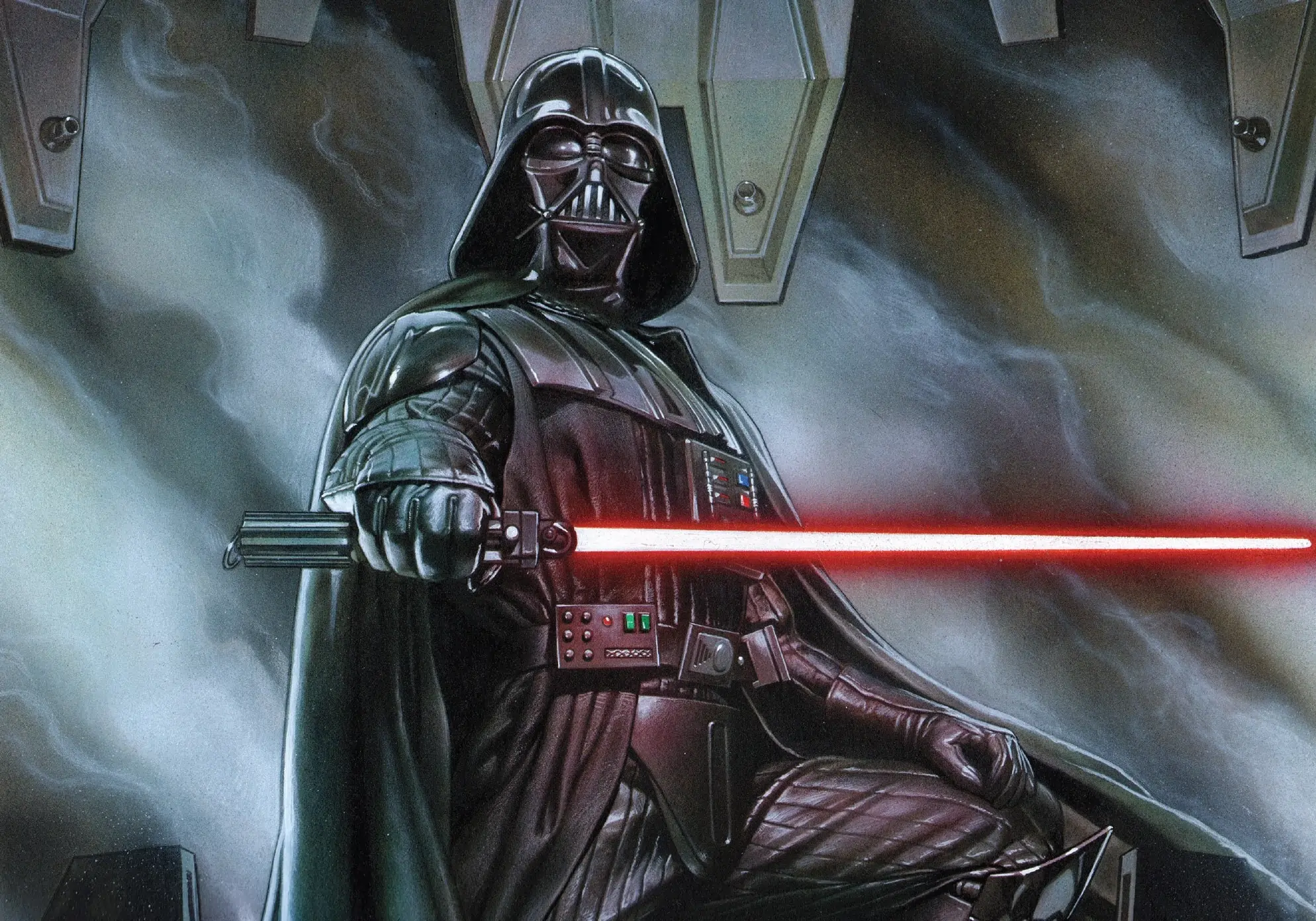
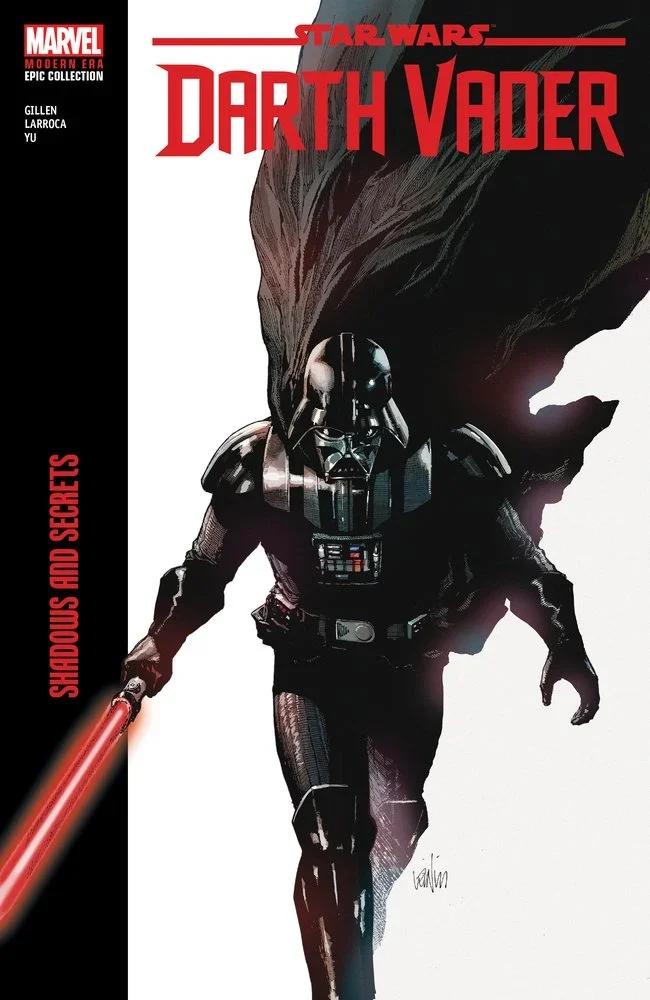
The Star Wars universe owes much of its popularity to the expansive, varied nature of its science-fiction setting and its vast cast of characters. Across media, productions in a galaxy far, far away tend to lean on ensembles and often have the grander conflicts serve as the centerpiece rather than a singular character. If there is a main character of the series, especially in the first and second trilogies, it is Anakin Skywalker, later known as Darth Vader. From writer Kieron Gillen and artist Salvador Larroca, the series Darth Vader hit the scene in 2015 and was a runaway success in both its own right as a series and as a pivotal player in launching the new Disney-heralded Star Wars comic book line as a whole. The first six issues of Darth Vader were collected into a trade paperback as volume one of the series, with the intuitive title, Vader. While not a complete revelation or reinvention of the genre, a few simple, bold decisions around the art direction and character choices cement the book as compelling from the first.
2015 was an interesting time for Darth Vader. While the character’s overall story was completed and thoroughly explored, there were still plenty of gaps in his post-body history as a Sith. There was a certain blank-slate quality to much of Vader’s activities between the films in the original trilogy, thanks to the Disney acquisition of the Star Wars franchise and the subsequent reboot of the comic line. Most of Vader’s characterization and history, which had not been established directly in the six films, was discarded and relabeled under the Legends brand. In addition, the sequel trilogy films were at the height of their cultural awareness, which limited the expanded universe of Star Wars from covering events that occurred after the end of Return of the Jedi, the film that appears the latest in the fictional timeline before the Disney movies. In an effort to keep their hands free for future installments, the franchise decided to focus its energy, especially outside the realm of film, on filling gaps in the high-profile characters within the established timeline. In many ways, Darth Vader was the obvious choice, being one of the most popular and iconic fictional characters of all time, but the earnest angle and level of whimsy that accompany Gillen and Larroca is plenty unexpected.
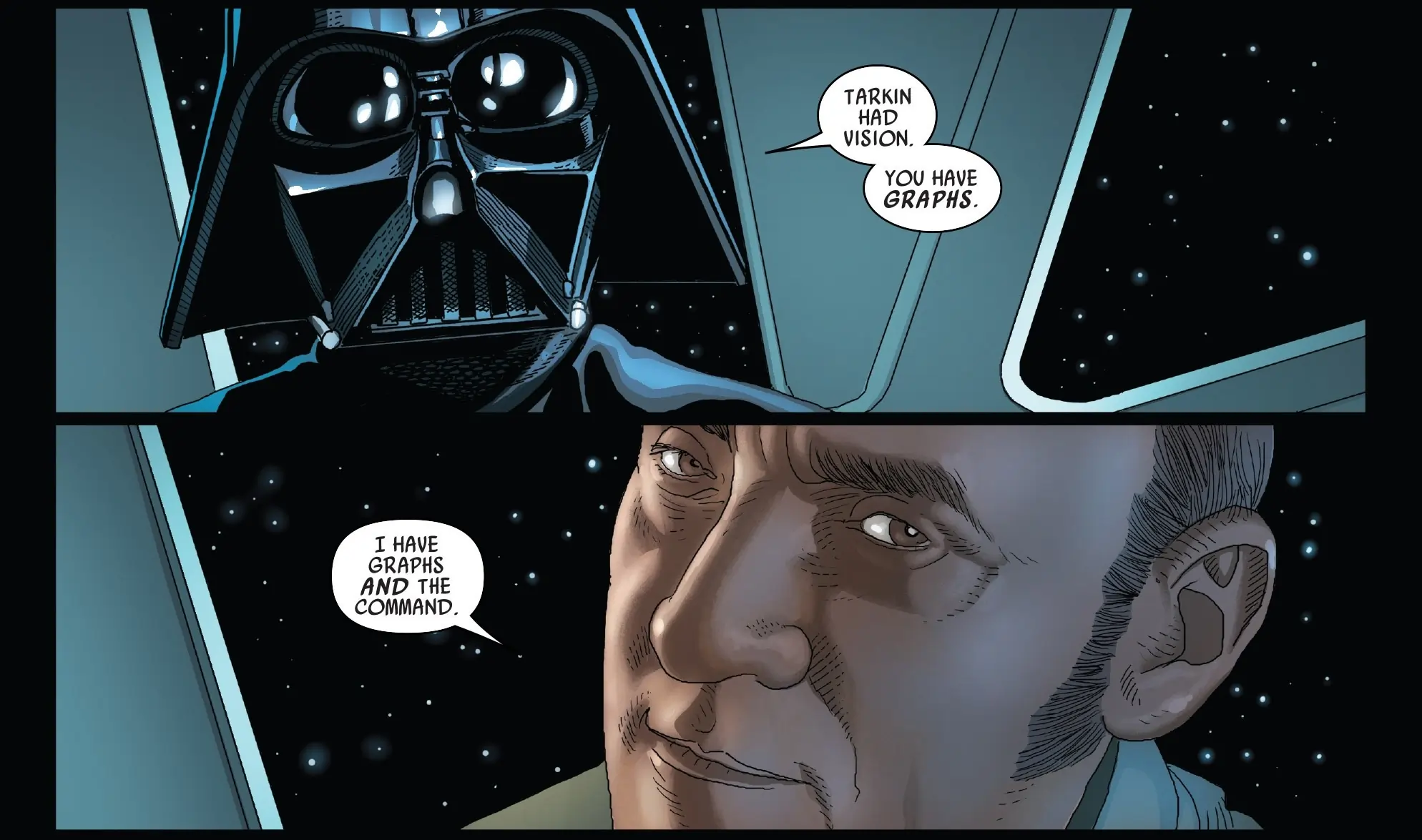
Given the titular character, readers may not be surprised to find the series set in the direct aftermath of the events of A New Hope. Vader starts on the back foot, still reeling from the encounter with Ben Kenobi and the subsequent destruction of the Death Star. The comic frames the Sith Lord as a top executive or bureaucrat who just dropped the ball on a load-bearing project. There is no obfuscation about the fact that the project was a planet-destroying superweapon, but the comic emphasizes the direct effects the failure had on Vader at both a personal and professional level, creating a darkly humorous tone. The idea of a successful black comedy at the forefront of a family-friendly Disney franchise, which is also worth its pages, is a hard line to walk, but the comic does everything it can to strike such a balance.
A man of few words and fewer expressions, some of Darth Vader’s core attributes present a challenge for the character in the lead role of a visual story. In the movies, whenever the Sith Lord was on screen, he was the focus; if the audience could look at Darth Vader, they would. As a perpetual force, someone who only shows up to hunt or attack the heroes, Vader’s stoic, seemingly one-track mindset bolsters his iconic image. At the core of a comic book, the character’s staple attributes become barriers, forcing the book to humanize the villain. While the book takes full advantage of Vader’s history in the prequel trilogy, with plenty of callbacks and references, the new dynamics and characters are by far the most effective at creating a connection with the cold robot man.
The series is rooted in familiar settings, and the initial conflicts stem from events in the films, but the book is determined to flesh out the universe and expand the cast whenever possible. Vader gains new, reluctant allies in the form of Doctor Aphra, Triple-Zero, and BT (evil C-3PO and R2-D2, respectively), alongside a plethora of new rivals, such as Grand General Cassio Tagge, and the mysterious Cylo-IV, and a roster of other potential replacements for the Emperor’s right-hand position. All of these new personalities share a similar wit and humor, which can hinder their memorability and ability to relate to the reader. However, all of the characters introduced in these pages have another common thread in their absolute love of violence and heartfelt embrace of chaos and darkness. From the evil Indiana Jones of Dr. Aphra to the General Grievous ripoff known as Commander Karbin, the comic emphasizes a common bloodlust and disdain for conventional ideas of justice or kindness. The result is an ocean of over-the-top psychopaths who almost compete to prove who is the most ruthless, helping bring Vader closer to the reader. The book’s tone balances whimsy and malice, and, as an X-Men fan, it is interesting to see Gillen’s proclivity for that type of villain, as he would help redefine the character of Mister Sinister in a similar vein. The author would go so far as to helm the defendable Star Wars-inspired Sins of Sinister event with Marvel’s merry mutants.
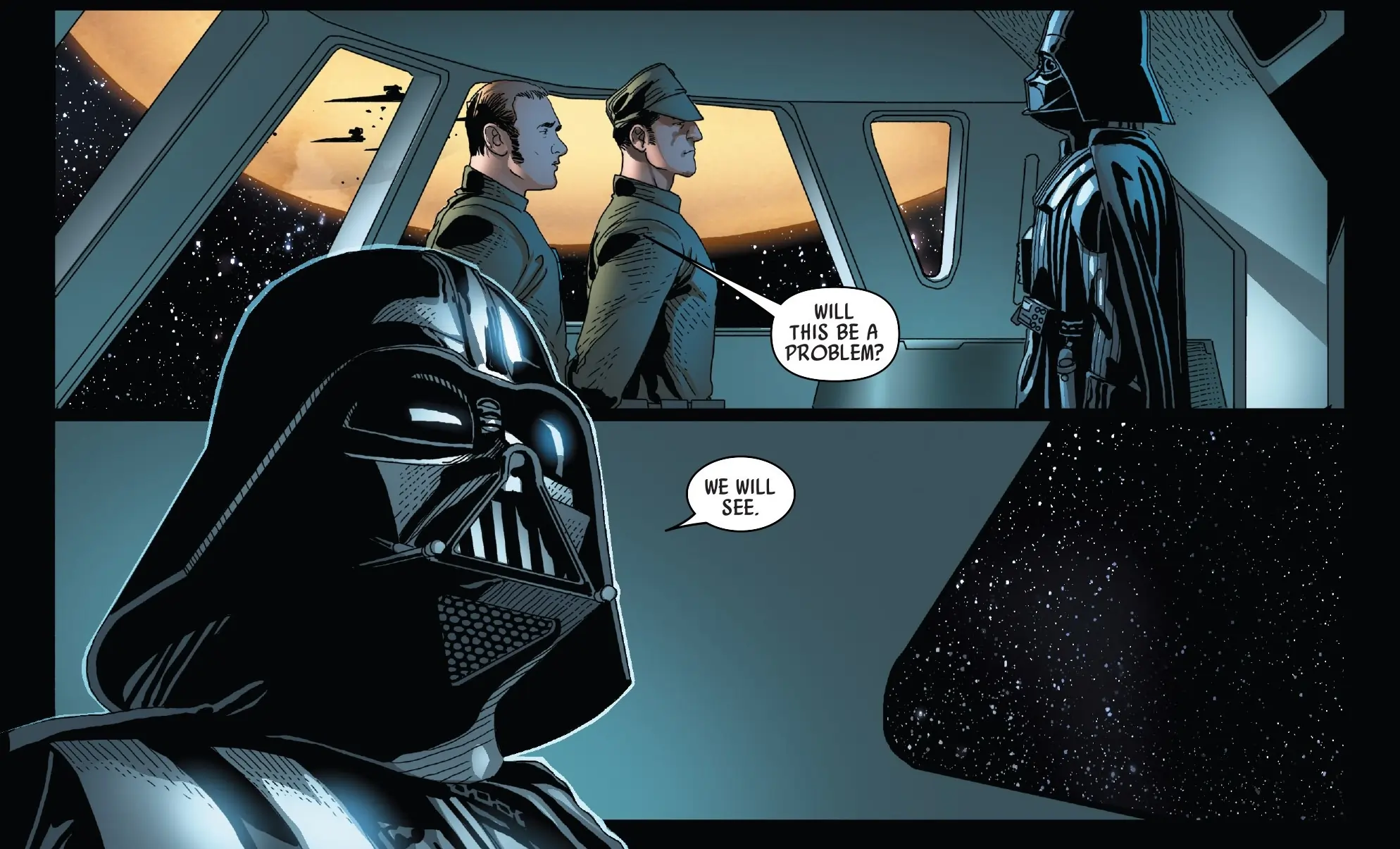
Out of all the new additions to the Star Wars universe, the most morally moderate is the fan-favorite Dr. Aphra. An opportunistic, self-centered archaeologist, Aphra is most concerned with maintaining her own skin, which contrasts with the domineering, power-hungry personalities who fill the title. Her ambitions are at least relatable if not admirable, as opposed to our titular character’s desire to control the entire galaxy. Her humor, sharp tongue, and overall relationship with Vader are reminiscent of the Clone Wars Animated Series’ Ahsoka Tano, which is a smart way to further remind the reader of the man inside the suit. Aphra works alongside Triple-Zero and BT, with the overall goal of building a personal army of droids for Darth Vader. The interest in droids in general is a fun bit of character work that cashes in on lore from the films while working seamlessly within the comic. The book is at its most compelling when it highlights the Anakin readers have met in the movies, juxtaposing his humanity with the Vader they expect. In addition to the cold-blooded supporting cast, the book leans into the depravity and survival-of-the-fittest mentality of the Emperor to move Vader’s perspective closer to something to which the reader can relate.
Focusing on the narrative, the series feels akin to something like the Force Unleashed video games, which stretch the lore and tone of Star Wars to be more exaggerated, to better work within the given medium. While Vader is not pulling Star Destroyers out of the sky, the gleeful malice that permeates the book is not typical of a modern television show or movie in the Star Wars franchise. There is a prevalent voice from the author that pokes through the dialogue a bit too often, resulting in a blanket of devil-may-care, dark humor across all the characters. There is a sense of rhythm from the frequent quips and an almost shared personality, which works in the book’s favor, keeping the reader moving along. At points, there is a sharp distinction between Vader and those around him, especially when paired with Aphra, where the more melodramatic, self-serious Sith Lord bounces off the lighthearted archaeologist. The book does not capitalize on the dynamic, though, and instead lets Vader slip into the shared witty sense of humor, which arguably aligns with Anakin’s character prior to his lava bath, but feels less interesting in this context.
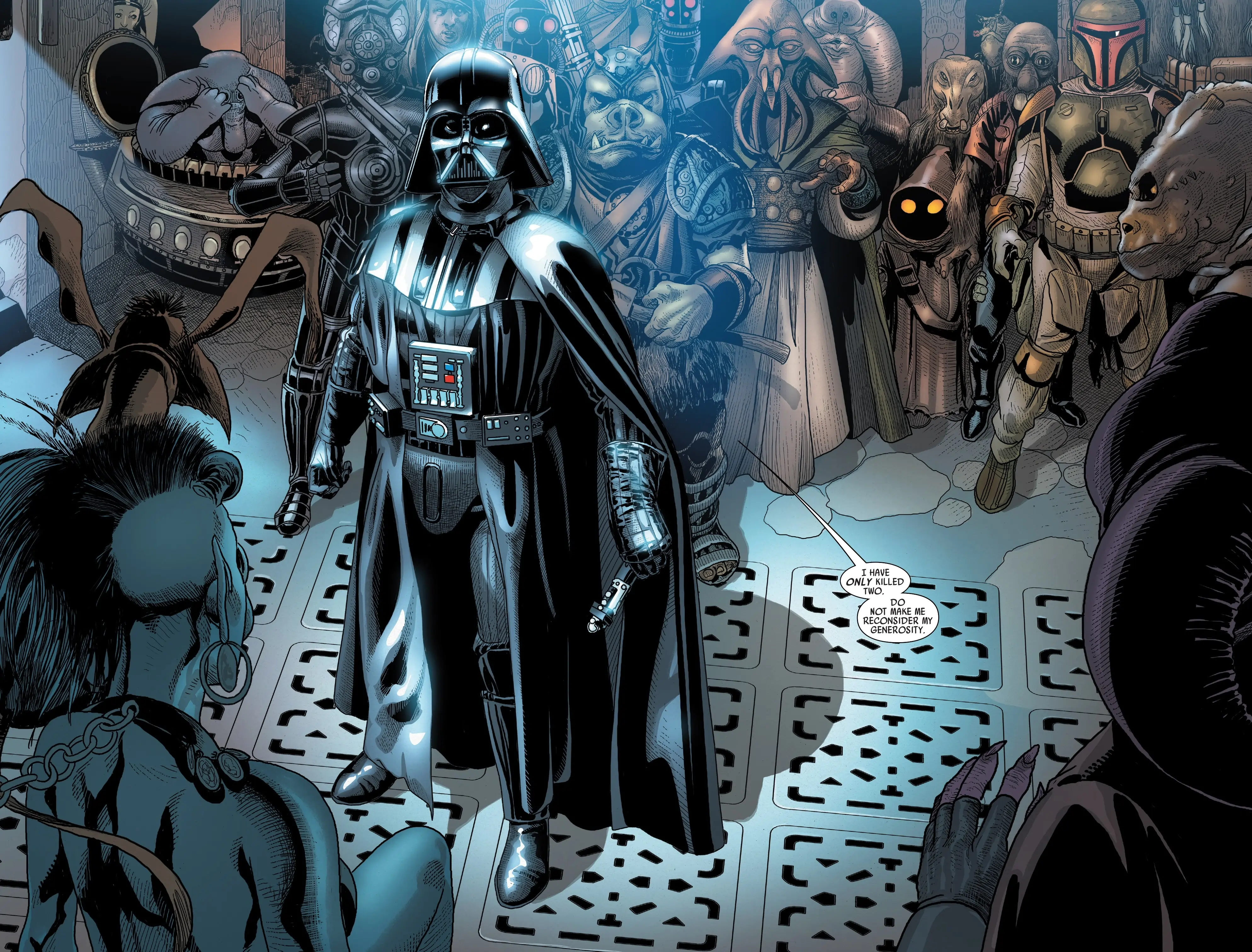
While the dialogue and moment-to-moment action are fun enough, the broad setup and plot conceit are more interesting than the actual execution is satisfying. Vader, reeling from the consequences of his failure with the Death Star and his confirmation of the shallowness of the Emperor’s loyalty, turns to the only thing he has been able to trust since he was a boy, robots, or droids. The disappearance and abandonment of battle droids in their entirety is something that has always stuck out as a result of the non-chronological creation and release of the Star Wars franchise. In this comic, there are plenty of droids still around, which the reader sees as Vader attempts to amass them. As a fan, it is just novel to see the crossover of the Star Wars eras, with the series' aesthetic emerging as unique and clearly transitional between the sleek, overpolished visuals of the prequels and the battered-down original trilogy style.
If the writing is starting to push up against the restrictive creative borders of corporate comics, the art is slamming into them as it forces itself to conform to the expected standards. Larroca’s work is detailed, slick, expressive, and most of all, cinematic. There is a commitment to presenting the panels as though they were shots from a movie camera for the vast majority of the series. This successfully emulates the angles and perspectives of the film franchise, which most readers will be familiar with, but the choice ultimately limits the book more than it bolsters the visual storytelling. Despite well-crafted, appealing drawings, the art never quite pushes beyond the boundaries of mainstream comics and settles into generic, though highly competent, territory.
Darth Vader strikes a unique, darkly comedic tone straight out of the gate, and though it stands out amongst its franchise counterparts, it falls short of its braver contemporaries elsewhere. From the comics’ rotating visits to characters and settings from the films to direct flashbacks and pages depicting scenes from the movies, the book is unable to rise above its source material and instead chooses to wallow in it through cheap references and easter eggs. The humor, art, and the new twisted characters are the series’s saving grace and propel the reader forward, even when the story is less than satisfying. It’s easy not to expect much from a Disney-published Star Wars comic book, but it is hard to justify why that is. Some of the largest publishers, Marvel and DC, are frequently given escape hatches from criticism, with the system and the heavy hand of the editor often being used as excuses for mediocre or spineless comics, despite having more money and resources than most in the industry. Darth Vader is an example of letting the creators have a bit of control, and the comic feels reined in by the limits of that freedom. An entertaining introduction, and worth a read on Marvel Unlimited, the actual test of the book’s mettle will be how the series plays out in the remaining issues. Maybe a safe start is laying the groundwork for a daring finish, but that is for us to find in further volumes.
Citation Station
Darth Vader (2015) 1-6. Kieron Gillen (writer), Salvador Larroca (artist), Edgar Delgado (colorist), Joe Caramagna (letterer), Adi Granov (cover artist).