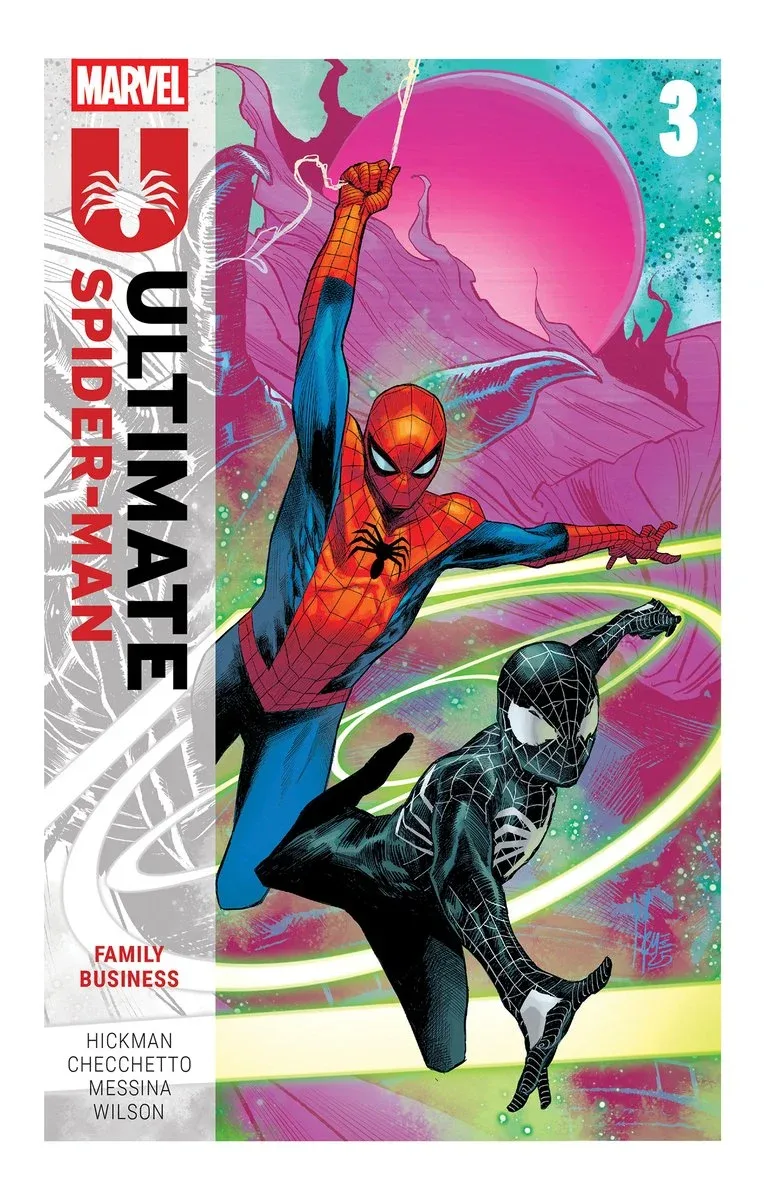
Ultimate Spider-Man: Family Business
Marvel’s Ultimate Universe

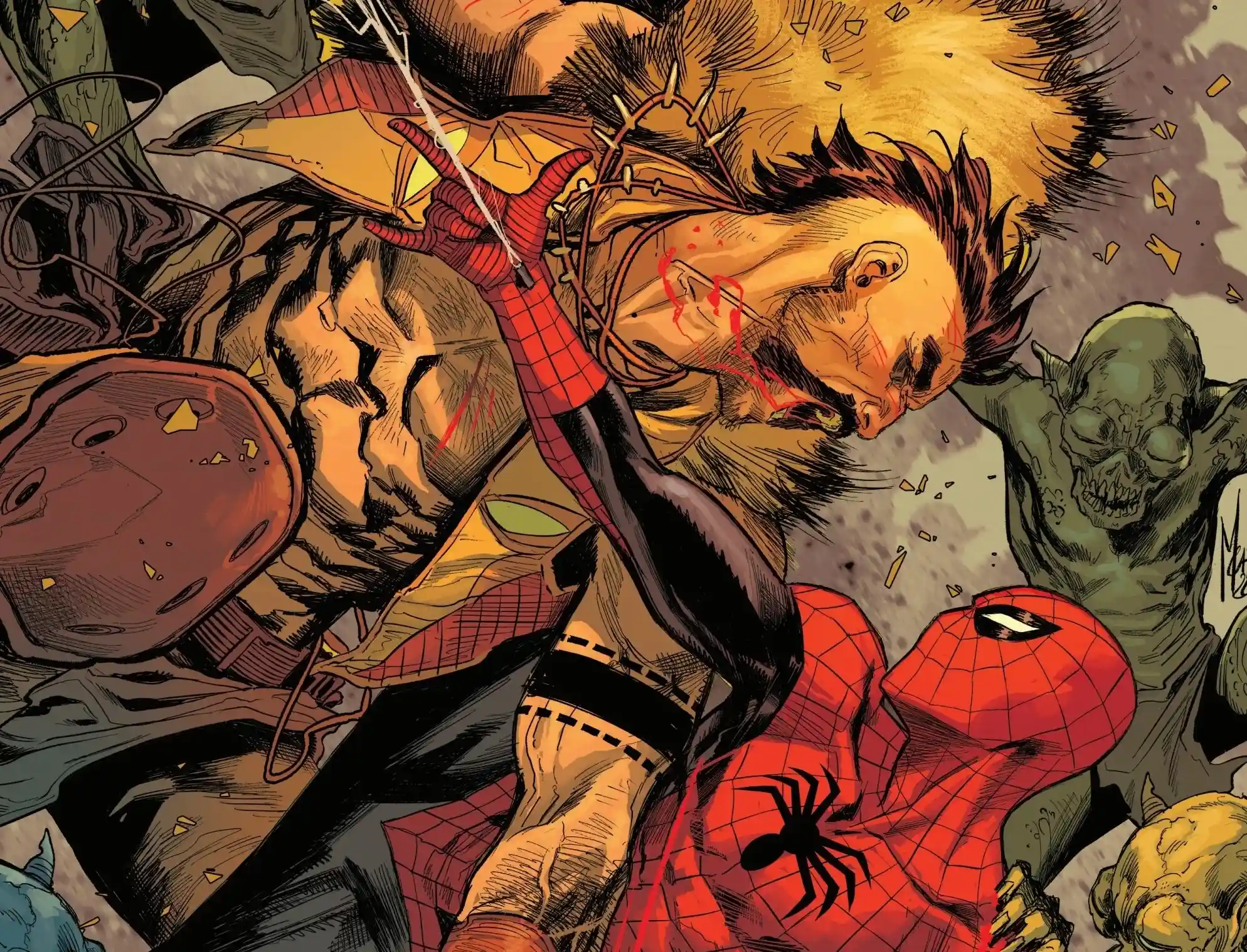
The stakes for the third volume of Jonathan Hickman’s Ultimate Spider-Man could not have been higher, personally, for me, in terms of reading comic books. As a casual fan of the web-slinger’s comics, the first two entries into the series were impressive and kept me on the hook. However, I saw much more profuse praise from across the comics landscape, and I was forced to reckon with the idea that Peter Parker and his associated world might not be a good fit for me. At the same time, it is undeniable that the first twelve issues of USM faced the towering task of introducing and twisting a sea of characters and events built over decades of ongoing storytelling, all while establishing its own plot and identity, and I wanted to keep that in mind. I found the first two volumes to be successful by and large, but there was a sense that the series was always building to something more dramatic and larger than the sum of its parts. I was growing tired of possibilities and promises. I was relieved to find that Ultimate Spider-Man: Family Business has readers like me in mind and cashes in on the prolonged setup to keep the pace rolling.
Picking up some time after the highlight finale of the previous volume, readers are dropped right into the new status quo at the start of Family Business. Peter Parker and Harry Osborn are missing from their families, and in the clutches of Kraven the Hunter. The Spider-Man mantle is being carried on by Richard Parker, Peter’s son, with the help of the superadvanced all-black AI super suit. After spending so much time building up the cast’s personalities and interpersonal dynamics, as well as playing with the novelty of an older family-man Peter Parker, Family Business wastes no time in knocking down the world to which readers have been introduced and become comfortable. In past volumes of Ultimate Spider-Man, the story was never quite dull, but the stakes felt manufactured at times, and the pace tended to be more steady than neck-breaking. The issues in which Peter and Harry are captured flip that script, with little time to breathe and risks that feel genuine in the given context, they are among the most successful at engrossing readers and selling the superhero drama.
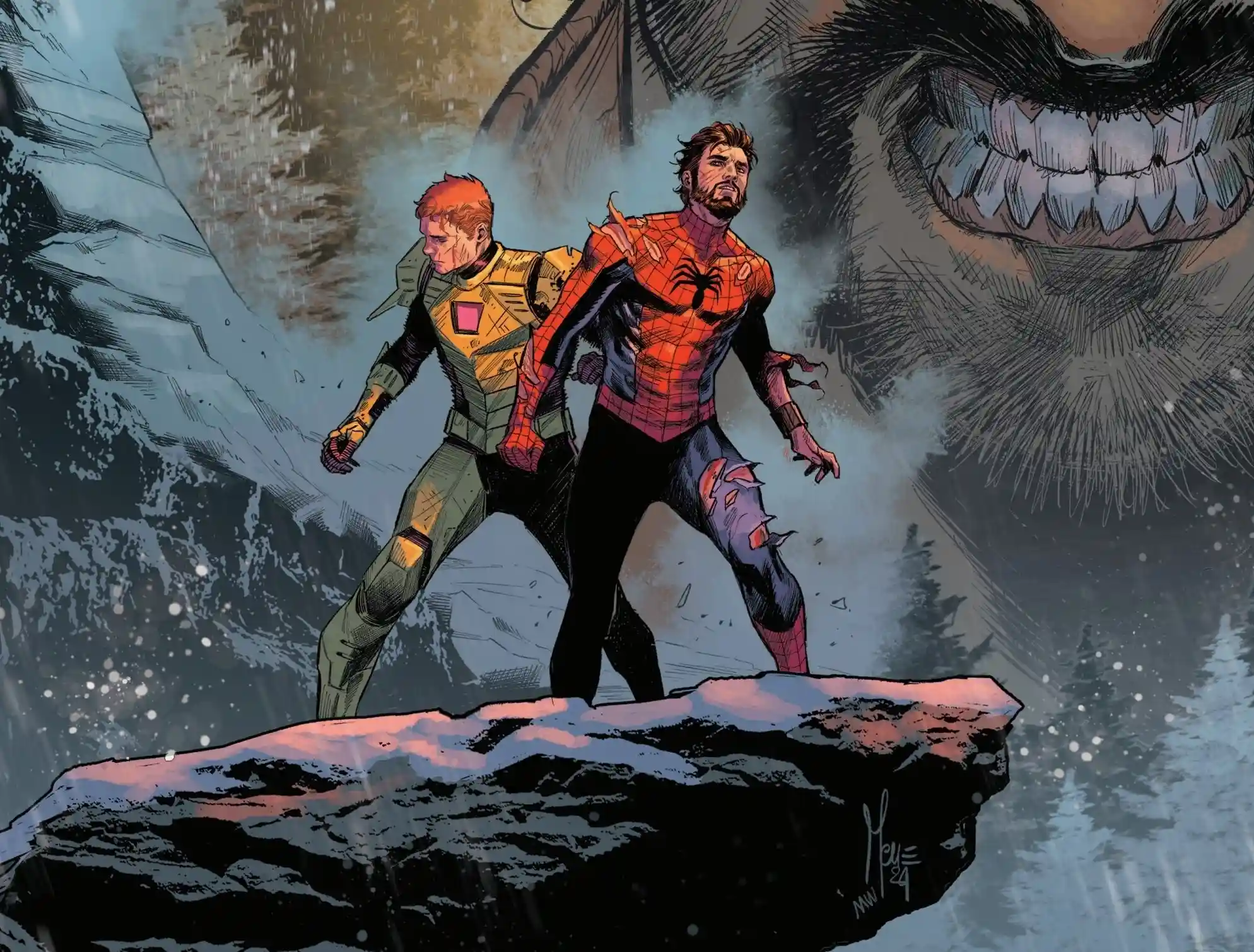
The series performs a balancing act, establishing the horror of the heroes’ situation while also introducing personal intricacies and flaws into the cartoonishly evil villains and their dastardly deeds. From reading him in other series, particularly his X-Men and Fantastic Four runs, it’s clear Hickman, as a writer, is adept at making light, silly concepts feel heavy and consequential to the reader. One strategy that works well for the writer is to ensure that the players in the story never feel too big for their own book. Readers may recognize the sudden character death that happens in the first act of Family Business from a mile away, and they likely will pin it as being a fake-out, and be correct. However, for Peter, there are no assumptions beyond what the character can see in front of him; he does not acknowledge the absurdity of the comic book universe he lives in, so he is able to sell the scene as sincere. This remains true even as readers are telegraphed a second layer of the story, seeing Mysterio's extensive involvement. Readers will hurt for Spider-Man as he grapples with the loss, but will already be getting their interests piqued and predictions ready for when the Goblin will return. It is basic dramatic irony in many ways, but too many comic writers fail at captivating audiences on both fronts in the way that Hickman does in these pages.
While there are a lot of cheesy, melodramatic moments and some hit-or-miss quips, the first couple of issues are the most captivating of the high-quality bunch. The follow-up chapters focus on Mysterio and the Green Goblin, to great effect. They both get a little more time in the spotlight, and as Gwen and Harry are fleshed out, the book’s full picture starts to come into view. Outside of the Oscorp couple, the book follows the Parker family as they grapple with the fallout of Peter’s capture, which resulted in his identity being revealed to the Kingpin.
Harry Osborn is dealing with a lot. Kidnapping, attempted murder, and the revelation that your wife is occasionally the supervillain Mysterio will weigh on a man. Throw in an AI-powered super suit that whispers scolds and degradations in the voice of his father into his ear, and it is almost impossible not to pity Harry. However, as much as I like him as a character, I do not feel that bad for Harry. The book ensures that readers understand, despite the tragedies befalling him, the Green Goblin is self-pitying for all the wrong reasons. He doesn’t like being less than anyone; he hates playing second fiddle to his wife, and he has a growing resentment towards the superpowered Peter. Harry’s trajectory is so ripe to fulfill a villain arc that it would almost be subversive not go in that direction. A privileged, capable, weenie, I find Harry interesting, and I hope he does not fall out of the frame when the Ultimate Universe comes to a close. There is a desperation and pathetic nature to the Goblin that makes for some of the most believable and, ironically, unpredictable supervillains. As much as Harry would hate to hear it, though, Gwen, Mysterio, steals the show. Plus she takes his company for good measure.
The biggest twist of the book is the secret identity of Gwen Stacy. Passed down from her father, one of the several dynamics that fit the volume’s title, the Oscorp CEO is given a seat on the council of Mysterios. The shared responsibilities of Mysterio are divided among five people who believe the universe is corrupted and are dedicated to the long-term goal of rectifying the damage brought on by The Maker. Gwen can don the mantle of Mysterio when she possesses their special amulet, but otherwise, she is also psychically connected to the others on the council. The unexpected depth and justifiable goal add a lot of nuance to Gwen, and the context surrounding her can never be forgotten when analyzing how she interacts in general, mundane situations. She comes across as brash and radical, but she has faith that she lives in a world that is wrong, and she’s right. Alongside, and a little ahead, of her husband, Gwen is set up to be a relatable villain or reluctant hero, and readers will find themselves well invested in seeing how her personal arc plays out. Any community of people who understand the world is out of whack is interesting in itself in terms of the future of the universe with the upcoming Ultimate Endgame.
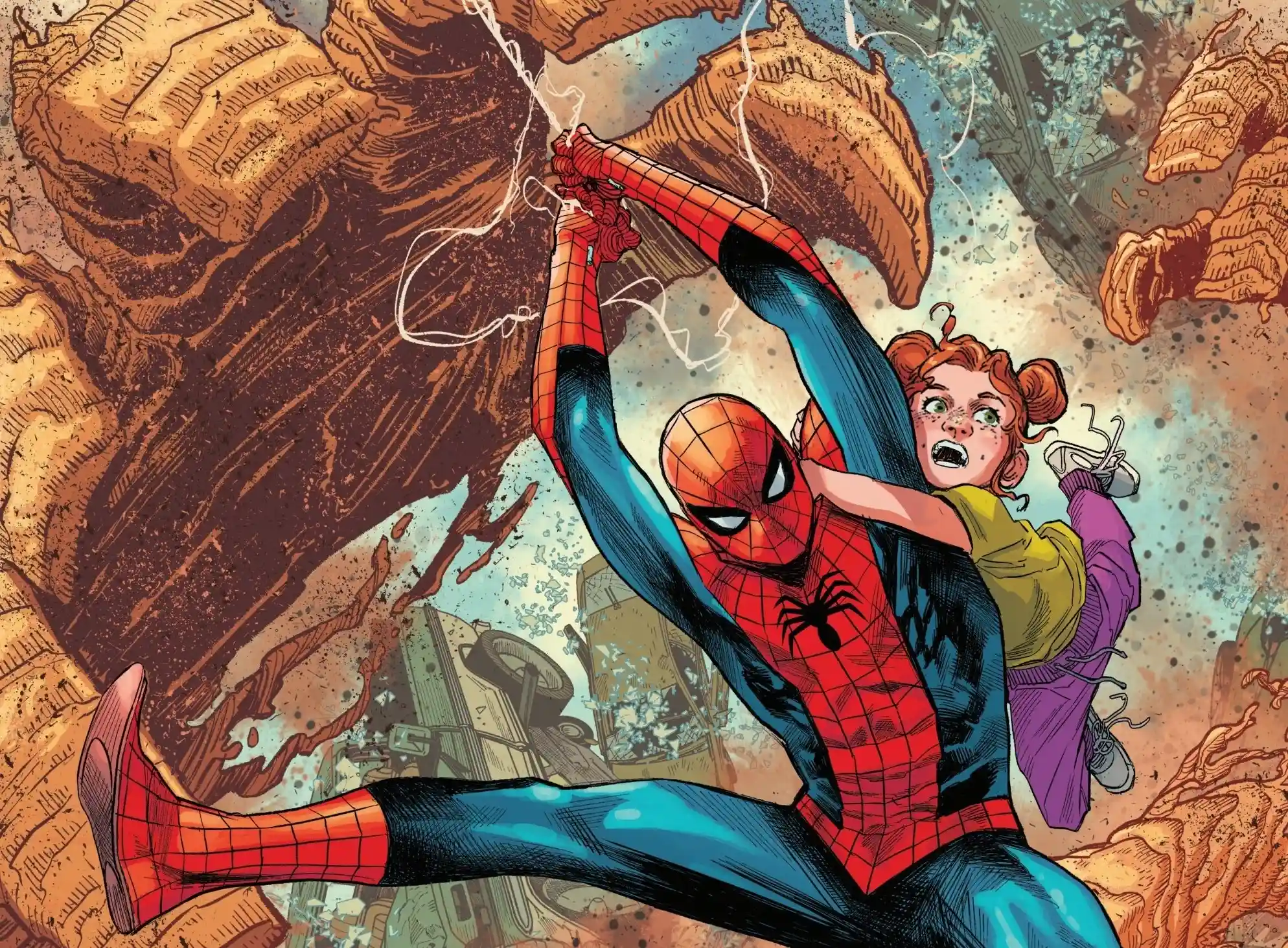
One of the concurrent storylines to the Mysterio and Green Goblin narrative is the one in which the Parker family attempts to hide from the villains wrought by Kraven’s exposure of Spider-Man’s identity to the warmongering Kingpin. They escape to an off-the-grid trailer park of sorts, where boredom and safety reign supreme. The wildcard is Richard, Peter’s son, who had adopted the role of Spider-Man, with the help of the superpowered AI Spidey suit, when Peter had been away, tortured and hunted. Especially with Richard’s newfound girlfriend, Felicia Hardy, or Black Cat, on the scene, there is never any doubt in the rebellious Spider-Boy’s refusal to stay underground. The resulting pages of Peter and Richard teaming up are fun, and the budding, thorny relationship is enjoyable, but they lack the immediate pull exhibited by much of the rest of the series. Some of it comes down to the writing for Richard, which does not always feel the most natural though it occasionally works quite well, highlighting the boy’s awkward attitude.
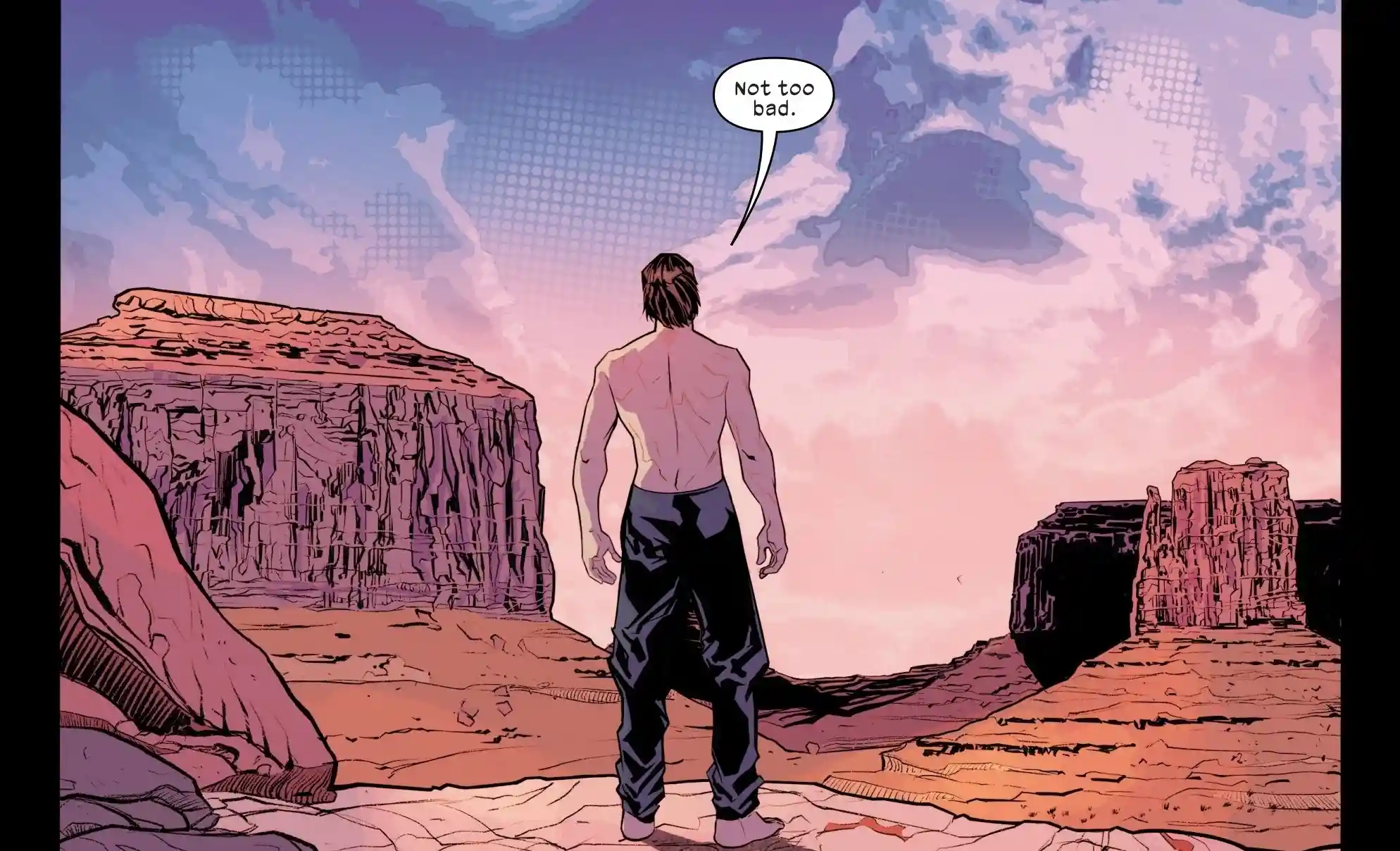
Consistent and top of the line, the art in this book clears even the high bar set by the previous entries with ease. Spider-Man, the Green Goblin, all the Sinister Six, and Mysterio in particular are absolute killer designs. I find the Mole Man and his underlings to be the most endearing. The details of each character are intricate and expressive, with intentional gravitas showcased in journalists and supervillains alike. There is a pop art design that is fun and works really well in several panels. Family Business art elevates the traditional superhero style while refusing to subvert it in the same way as Ultimate X-Men. If I were forced to level a criticism, it would be the colors, which come across as subdued and an attempt to replicate the look of Marvel films, with Mysterio being the refreshing exception. Otherwise, it is hard to find much fault with the art experience.
These six issues read like the first in the series readers can really sink their teeth into, with the book focusing on storytelling rather than establishing a new universe and cast. The most significant question that remains is one that will be revealed as quite intentional in the subsequent volume: What is Spider-Man’s goal here? From Gwen and Harry to Kingpin himself, there are a lot of clear motivations, but for Peter, there is a bit of a fog. There is no real indication of what Spider-Man wants to accomplish in the long run. He has not built any real connections that would make his inclusion in larger-scale conflicts feel natural, besides Mysterio, and seems likely to play a pivotal role but be largely separated from the events with the Maker. The Kingpin might have to be stopped, but crime won’t. The open-ended question of what will happen to Peter Parker and his family is one of the best-lodged hooks of the series, given the character’s stable status quo in his mainline series.
Family Business is the third volume in Ultimate Spider-Man, and the book continues to steal the spotlight from the mainline universe counterpart. As readers get invested in these characters and the status quo, the future of all versions of the hero becomes uncertain. Is USM a blueprint for how Spider-Man can be aged up in the main series, or is this the only exploration of that idea, and will the central universe keep business as usual? As a more casual fan of Spidey, I cannot help but feel this series has satisfied a lot of my interest in the hero’s world and cast, and I don’t see myself having much interest in investing in some alternative take on the same stories. I will be keeping an eye on Amazing Spider-Man and the future of any secondary publishing lines, whether they have the Ultimate branding or otherwise. For now, Ultimate Spider-Man persists as the go-to series, not just for fans of Peter Parker, but for anyone looking for the best version of traditional superhero comics on the market today.
Citation Station
Ultimate Spider-Man: Family Business. 2025. Jonathan Hickman (writer), Marco Checchetto (artist, cover artist), David Messina (artist).