Deniz Camp's Ultimates Rise Up
Marvel’s Ultimate Universe

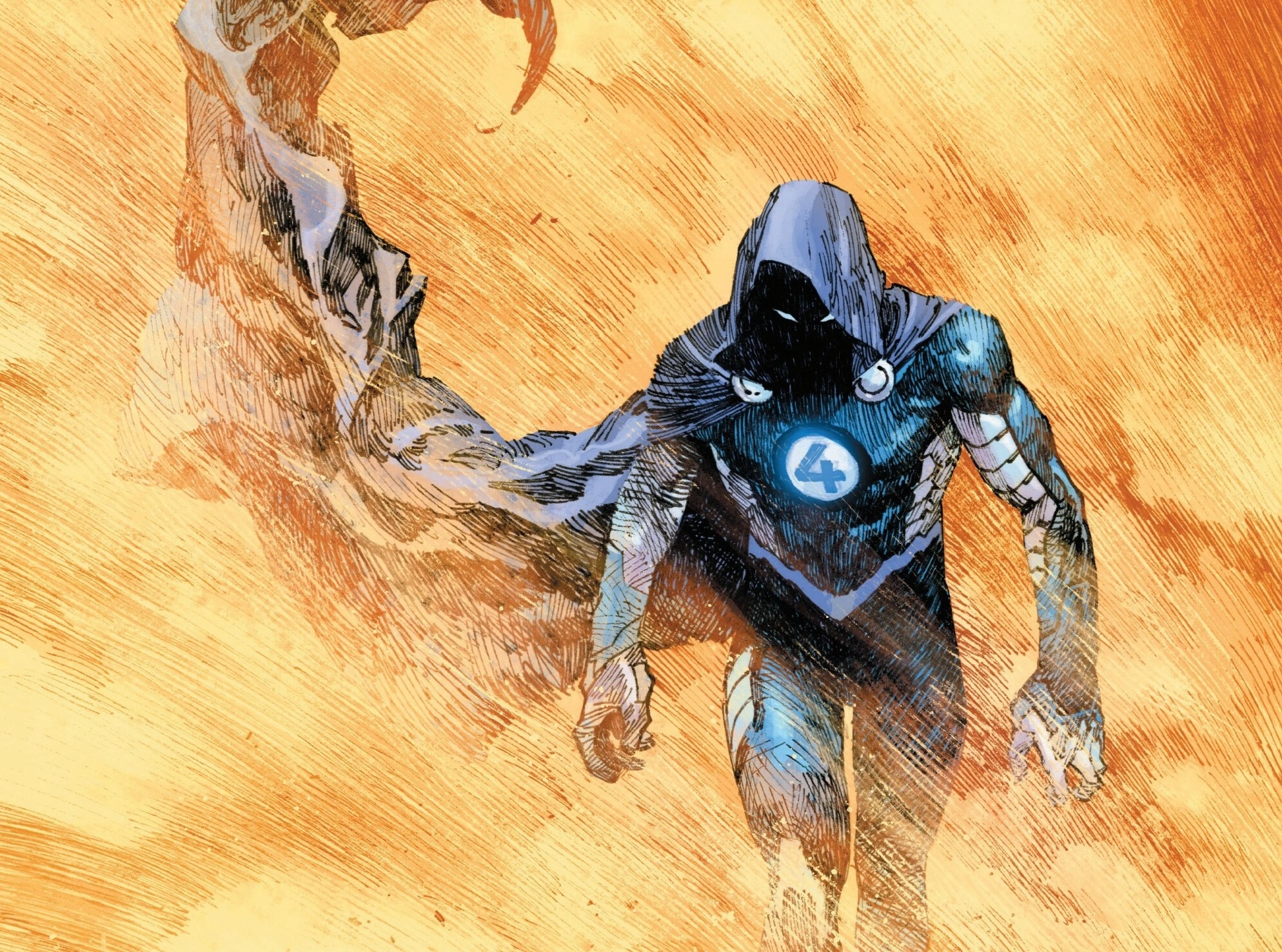
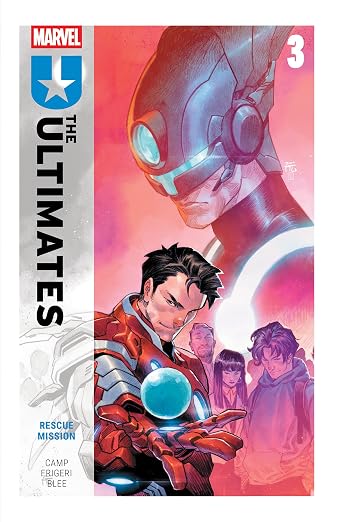
Deniz Camp’s Ultimates is one of the hardest mainstream superhero comic series I have sat down to review. A book steeped in Marvel’s Ultimate Universe, with both an unconventional story structure and frequently shifting art style, readers are forced to accept that reading Ultimates is a distinct experience from the typical superhero comic. While the book is positioned as the central title in the popular alternate Marvel publishing line, the story is streamlined and rarely intersects directly with any of its sister series. Ultimates: Rescue Mission is the third volume and continues the comic’s role as a broad look at the fictional world as a whole. This entry alternates between a top-down perspective centered on larger-than-life power players and a more realistic one focused on the individual struggles that underpin mass unrest.
The first side of the Ultimates coin is a sci-fi plot that revolves around Iron Lad and Ultimate Reed Richards, with the latter being known as Doom following extensive torture from The Maker. This duo’s storylines are closely tied to the overarching plot of the Ultimate Universe and serve as a narrative thrust throughout the series.
Ultimate Invasion and the specific sci-fi flavors that fellow writer and Marvel fan-favorite Jonathan Hickman is known for are all over Camp’s exploration of Iron Lad and Doom. Broad ideas of destiny and consciousness are dissected through time travel, alternate universes, and magic-comic-book science. I’m not sure I necessarily care so much about the specifics of these Hickman-esque concepts, as I have read enough of this sort of Marvel comic to know they are never as integral to the real story as much as they posture. However, what Camp can do at a level that rivals, if not exceeds, his lauded creative counterpart is to get readers invested in the characters themselves. I find myself much more interested in whether Doom and Iron Lad can complete their arcs than in whatever awesome experiments they are getting up to, and that is truly not the default in the superhero comic space.
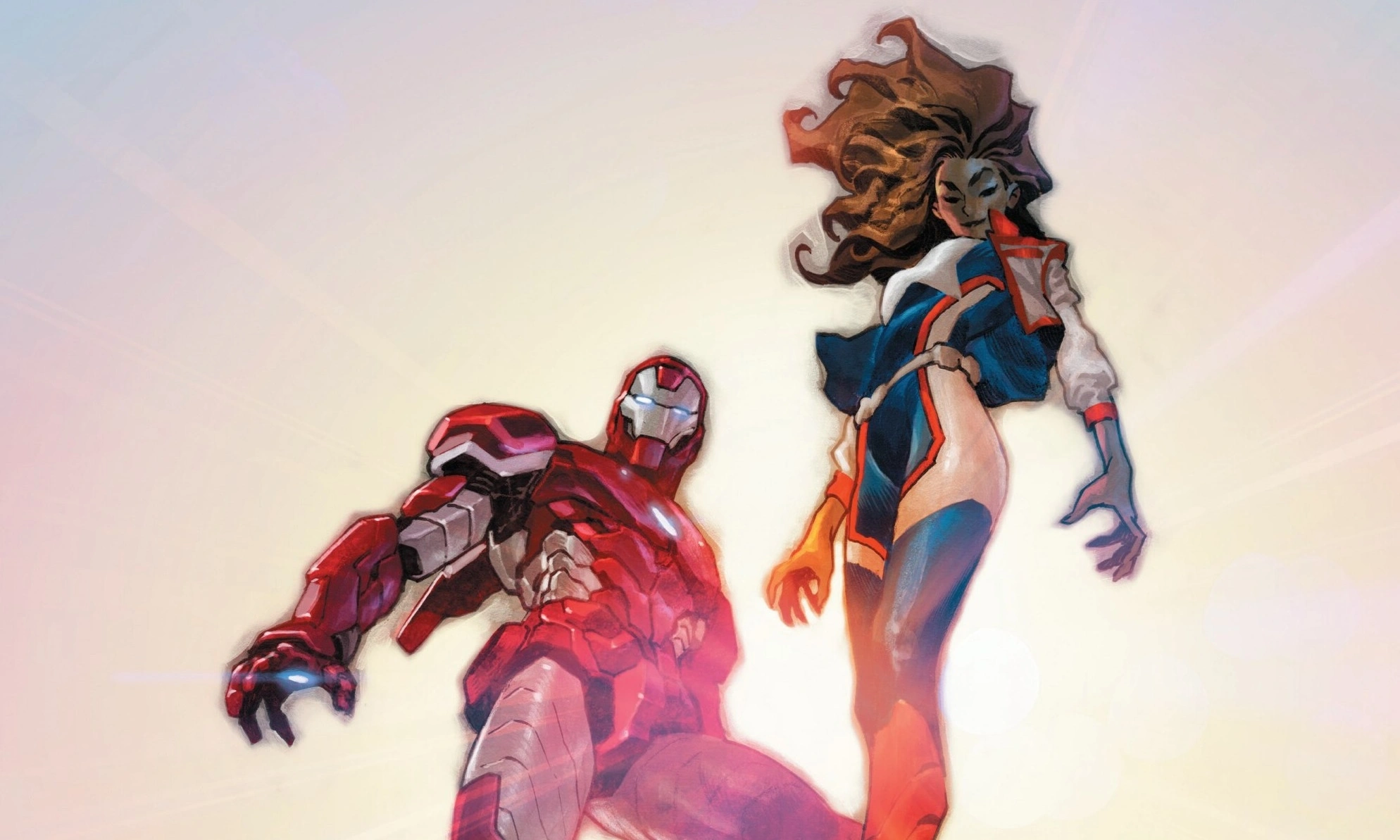
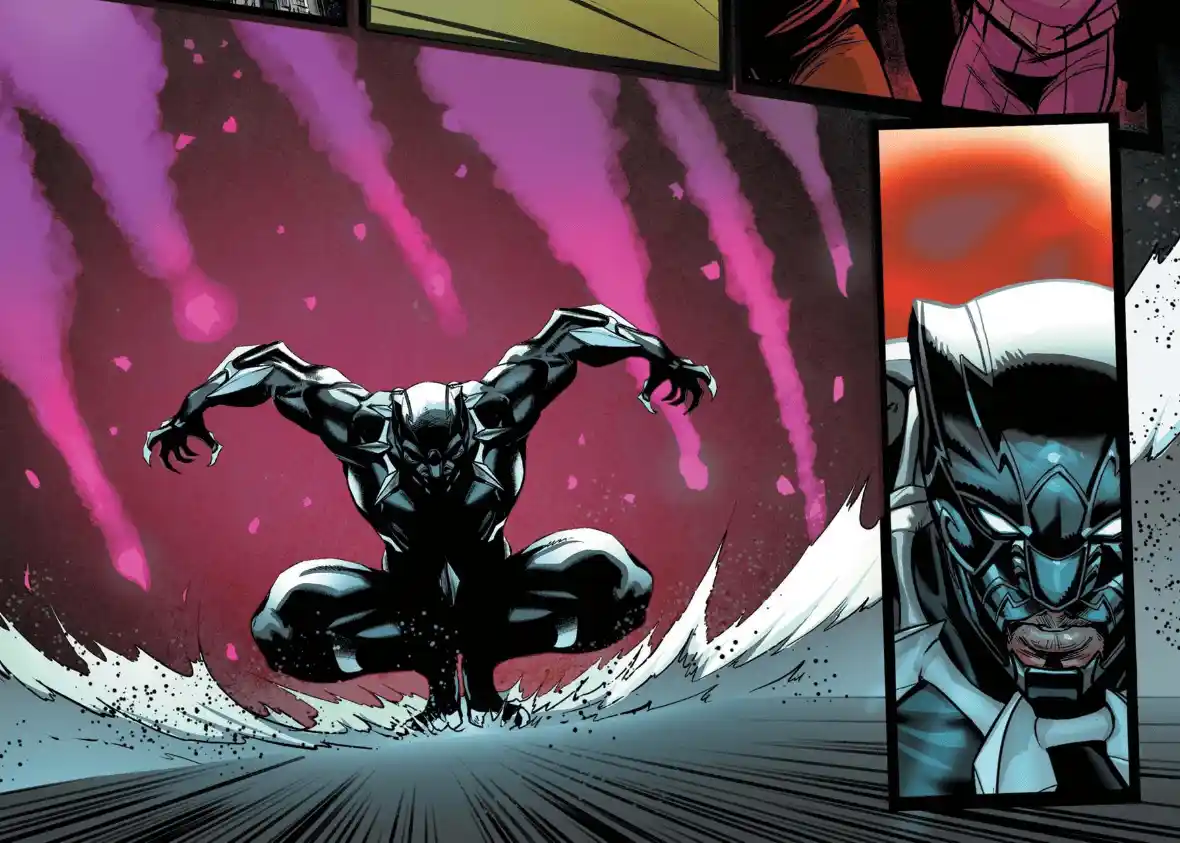
The other half of the comic is dedicated to borderline self-contained issues that are largely direct continuations of storylines established earlier in the series and focus primarily on a single individual from the team or specific people from the wider world. Again, Camp hits it out of the park on the character front. Each Ultimate has a specific tone to their issue, with the distinct art playing a key role, and the comic is intentional in wielding its unique position to quickly and effectively endear the characters to the audience.
Being an alternate universe gives the Ultimates the benefit of a plethora of superhero archetypes they can take and play with, which readers will, by and large, be familiar with. Camp takes these, twists them into their “ultimate” versions, and then puts them up against issues that are more modern and specifically political than those of the mainline heroes. The combination allows Camp to draw readers in, as they are already primed to relate to the comic’s conflict and main players through different but complementary avenues.
I find the highly segmented story structure of Ultimates to be compelling for two major reasons. First, the shifting artists and almost-disconnected storylines highlight the real-world limitations that working comic creators face. Deadlines and editorial decisions mean that not every book can be a deeply interconnected series with a consistent artist and style. The imposed barriers force a bit of ingenuity from talented writers and their collaborators, and expose certain projects as being shallow when placed in the hands of uncommitted creatives. The second interesting aspect of the release format is its dedication to the often-lamented traditional single-issue publishing method.
These issues do not gain much by being read back-to-back in a collection. They almost seem to work best when read spread out, and many felt particularly grounded in the overall political environment at the time of their release. I don’t know if it will hamper the staying power or depth of these stories over time, but Ultimates goes out of its way to justify the classic comic book structure, and is as successful as could be.
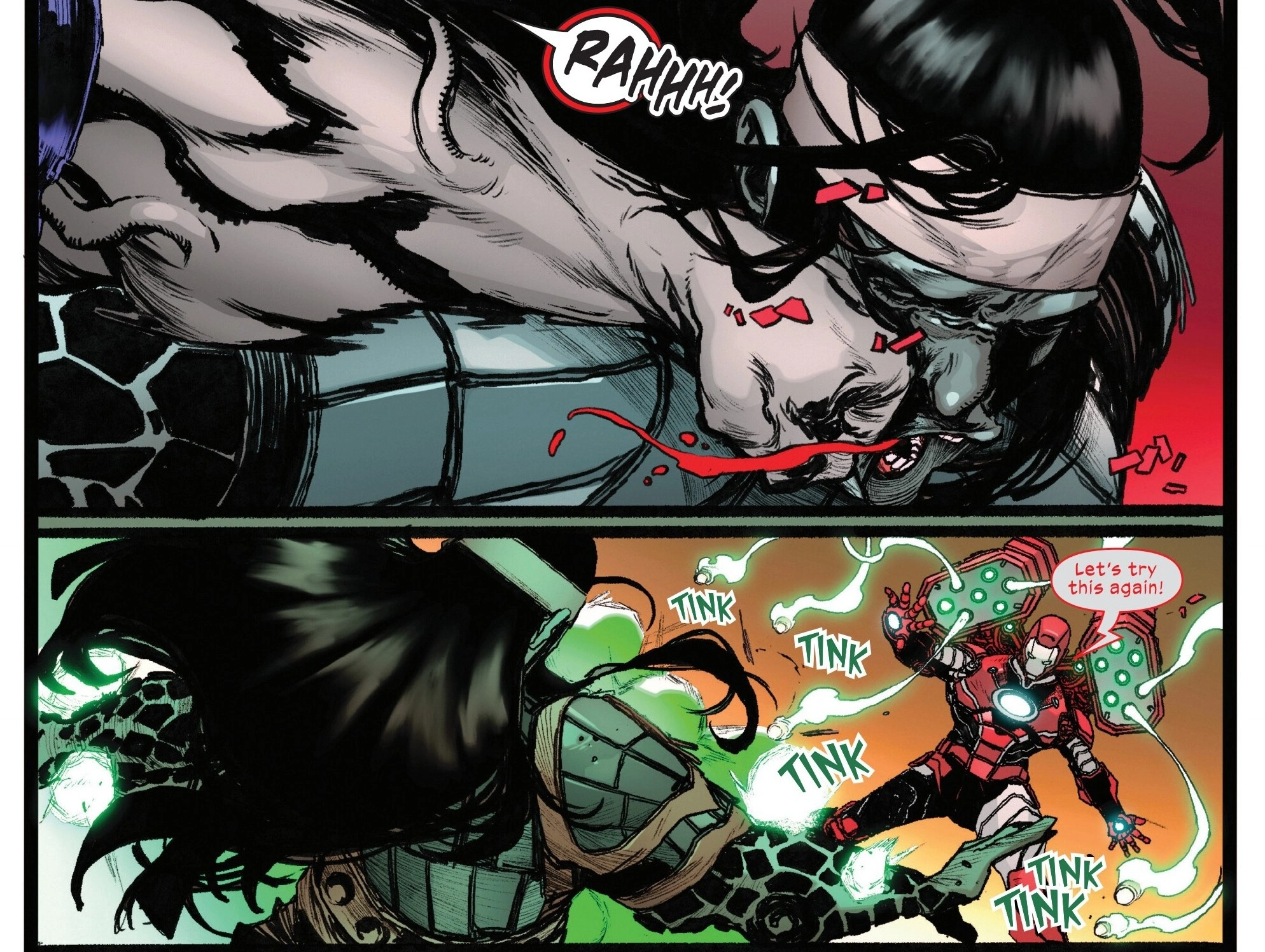
Ultimates is, ultimately, a book that tells a variety of specific tales of oppression within the alternate universe in which it and its sister series exist. The purpose of the title seems to be to expand and explore the broader consequences of the Maker’s manipulation of the unsuspecting world, and don’t get me wrong, it is a success, and in the hands of lesser creators, it would be nothing more than that.
Camp and co can take the flat platitudes that underscore the superhero genre and combine them with the freedom of a limited, disposable setting to give their book a semblance of a conversation with the broader culture and the real world in which it is created and exists. This sentiment may seem exceedingly obvious, but there is a certain amount of media, modern it seems in particular, that makes an active choice to avoid commenting on or acknowledging the world beyond its pages, not for creative merit but to maintain profitability and limit offense. There are far too many talented writers and artists locked into the corporate structure, forced to defang themselves to feed themselves. The result is usually fewer stories, and Ultimates is a shining example of how the same dynamic works in reverse.
Ultimates is not some political comic book manifesto, and it is not saying anything that readers won’t have heard before. Pages of Iron Lad calling for the people to rise up, imposed on top of scenes of police brutality, is not going to spark an actual revolution. However, the editorial acceptance of Camp’s message does give insight into the shifting perspectives on what political stances are allowed to be printed by large American corporations. There is a direct intention in the series to identify and rebuke fascism and to promote collective action within the fictional context. While the message is presented alongside real-life parallels, such as rising white supremacy and a prison crisis, there is still an overall flattening that comes with the Marvel superhero style and framing, which, of course, waters down the issues.
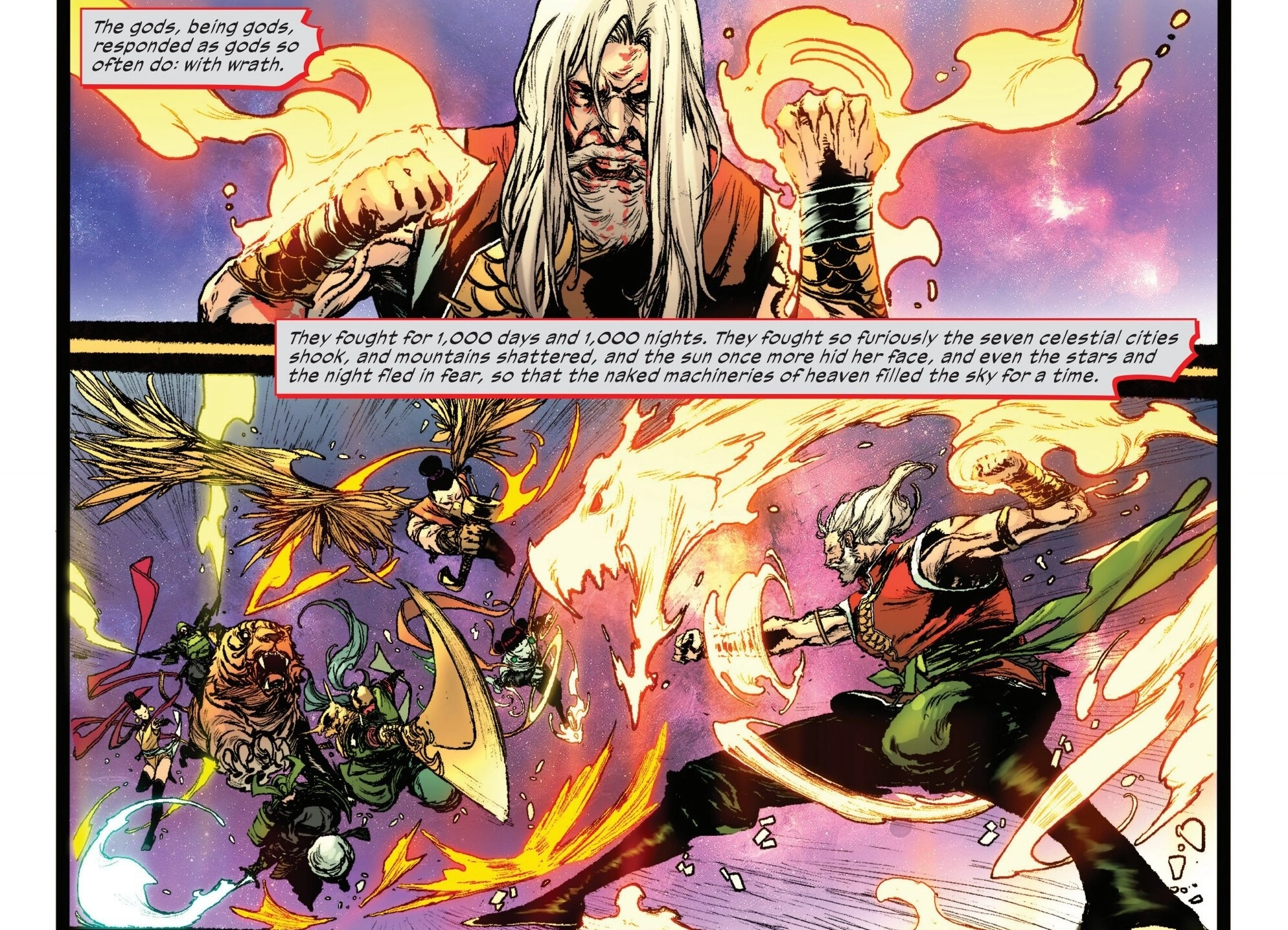
The format of Ultimates heavily impacts the character development and progression. The likes of Shang-Chi and She-Hulk get energetic issues that contain as compelling single moments as almost anything from their main-universe counterparts, with which most readers would be familiar. For me, Luke Cage and Hawkeye are the most memorable by far, though the structure of individual stories can leave some details hazy for almost all the heroes, at least before my handful of read-throughs. A prevailing theme of the Ultimates reading experience is that in-the-moment success comes at the expense of the book’s finer points sticking with the audience. Exact lore and information dumps are heavily overshadowed by explosive art and well-spun sci-fi ideas.
Ultimates is intentionally crafted around its issue-by-issue release schedule and goes the distance in subverting some of the genre’s most cowardly instincts. While I am happy to see a different take on Marvel heroes being so successful, there is a somber note to the whole ordeal. This book highlights some of the stark limitations of superhero comics, and corporate comics in particular, to really connect with the average person in the context of politics. Even in this setting, where the solution to the evil mastermind is mass collective action, it is all at the behest and leadership of Iron Lad and the Ultimates, who don’t have real-world counterparts, and even if they did, they would not be a reliable means of justice. The series is entertaining and has more depth than most Marvel comics, but suffers from the issue of being deep enough to invite a more thorough analysis, which is absent from lighter, simpler books, to their benefit.
I come away from Ultimates: Rescue Mission with two main takeaways. Deniz Camp has the goods, and the same goes for Frigeri, Randal, Noto, and Ruan. These are all names to look out for, particularly in independent projects, where their clear talent and creativity are sure to be better realized. If Ultimates is indicative of the publishing trajectory and the biggest creative swing Marvel is willing to take, then I worry about the relevance of their books in the coming days.
Citation Station
Ultimates: Rescue Mission. 2026. Deniz Camp (writer), Juan Frigeri (artist), Dike Ruan (artist), Von Randal (artist), Phil Noto (artist).